This blog has been paid for by and created in partnership with Pfizer UK*
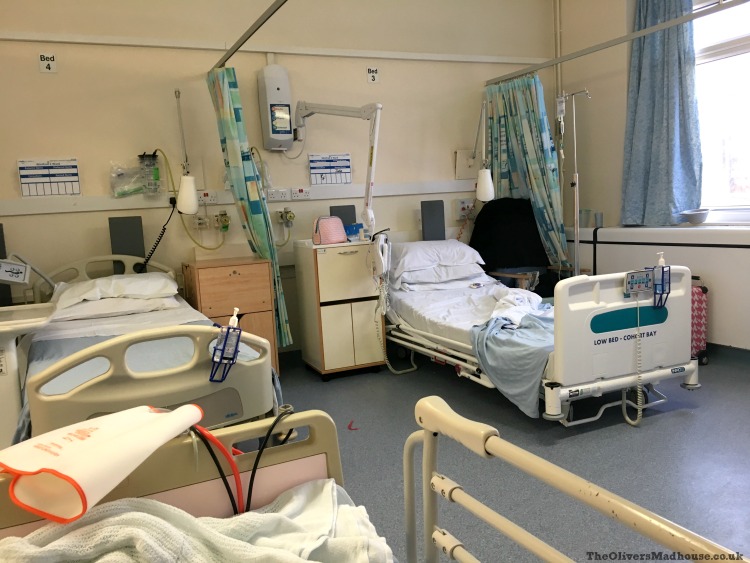
Over the last 18 years I personally have had 7 hospital operations. 3 of which were caesarean sections, 2 minor surgeries and 2 extensive surgeries.
The biggest one was 2 years ago that involved a lengthy stay in hospital and a very poorly me for many days.
As part of my pre-operative appointments the clinical staff briefed me on the risks involved with the surgery I was about to undergo. Specifically the staff mentioned infections as these can be common place after operations.
After 3 of my operations I had infections and after one of them I was acutely ill and ended up on an IV drip of super strength antibiotics.
Had the antibiotics not have worked I realistically could have become so poorly I might have died. It really was that serious.
We all know how beneficial antibiotics can be and how much we rely on them when we are ill but did you know that antimicrobial resistance (AMR) is a long name for the rise of Superbugs. Is one of the biggest threats to global public health today. This is why I am so eager to work with Pfizer and BritMums in the #JoinTheFight campaign to raise further awareness.
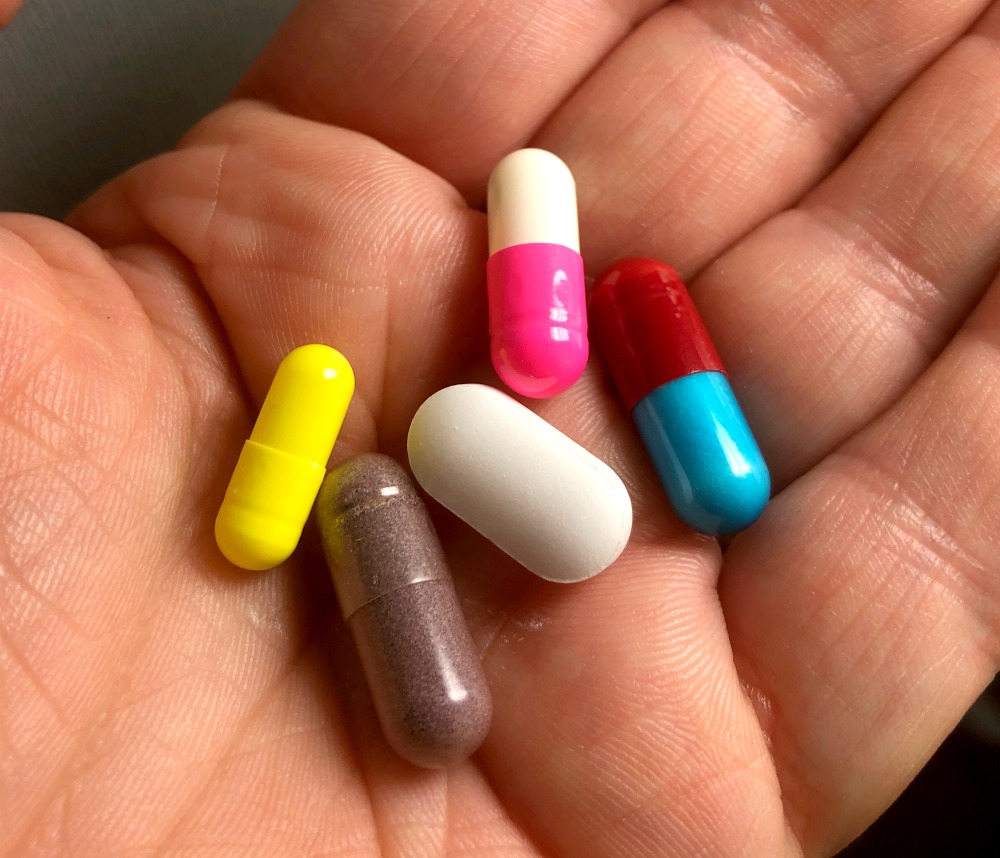
The UK’s outgoing Chief Medical Officer, Dame Sally Davies said Superbugs“could kill us before climate change does”
Personally I think this is an immensely scary thought. Can you imagine a time in our lifetimes that means simple infections and operation could kill us!
Antibiotics have saved millions of lives since they were first discovered. But this is not going to be the case in the future.
AMR arises when the micro-organisms which cause infection (e.g. bacteria) survive exposure to a medicine that would normally kill them or stop their growth – creating the so-called Superbugs.
This means that the antibiotics we have are no longer going to cure currently treatable infections and people will die from previously treatable illnesses. Bacteria, not humans, become antibiotic resistant. This occurs naturally, However, misuse of antibiotics in humans over recent years has accelerated the process.

Things we can do to help slow the spread of resistance:
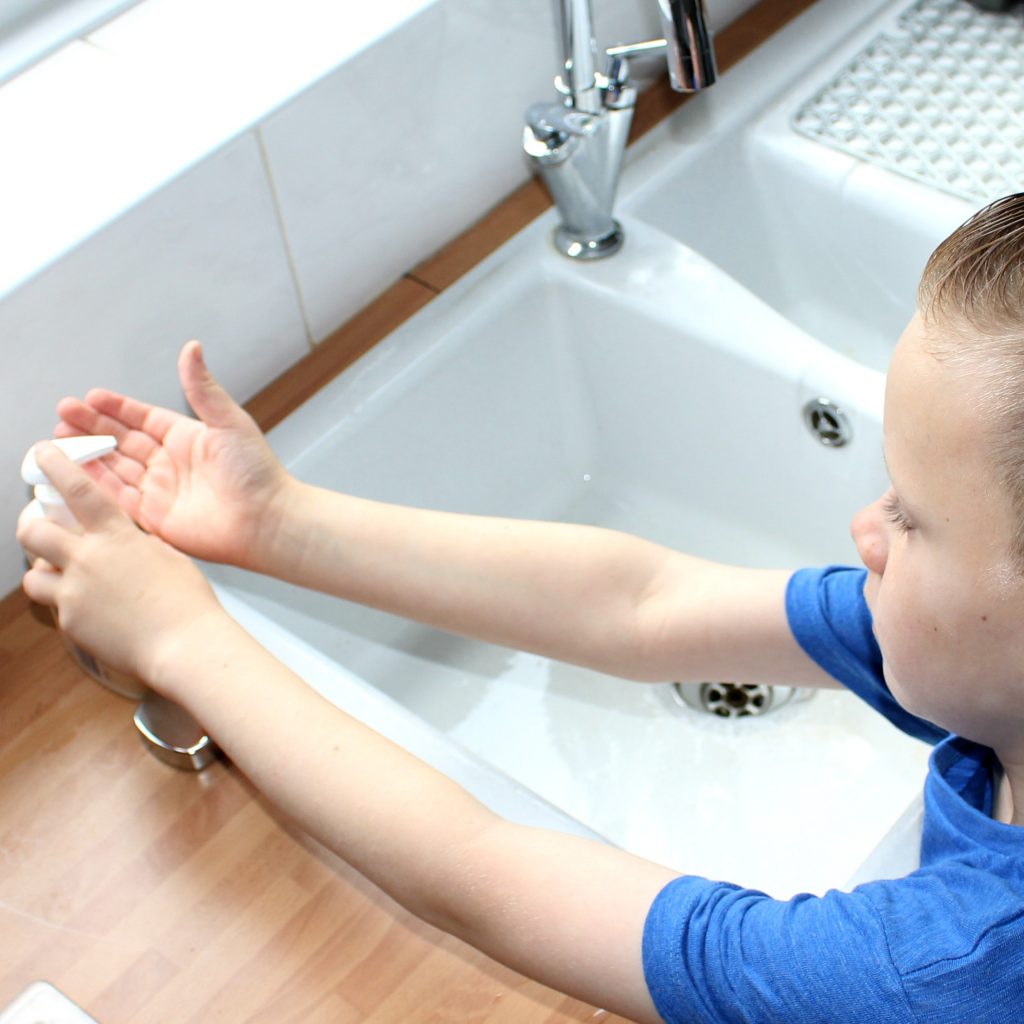
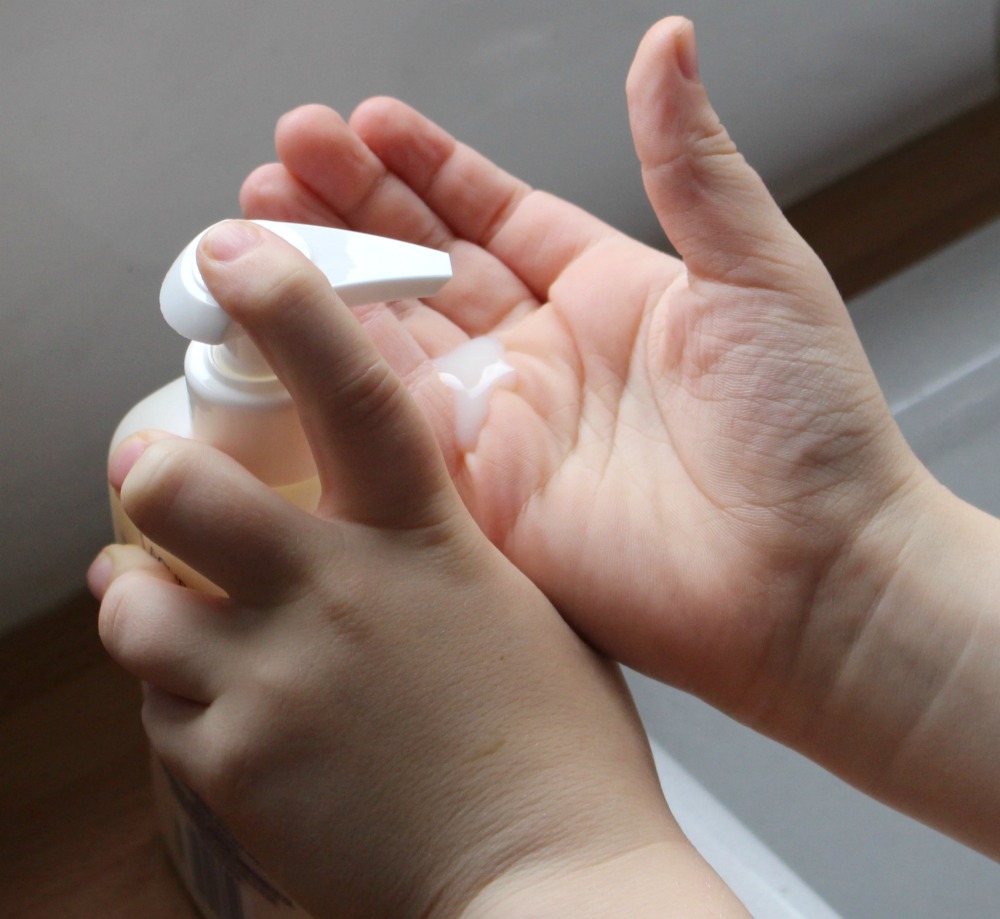
Hand washing is a massive thing we can all do. Also showing children how to wash their hands properly to stop infections from spreading the first place is super important. Less infections generally mean less need for any form of treatments in the first place.
- Only use antibiotics when totally necessary.
- I am the first to admit in the last 4 decades I have probably taken antibiotics for an illness that didn’t specially need them for me to get better. This only speeds up resistance.
- Also not taking antibiotics till the prescription is fully completed can be equally as bad. Even though you might feel better. The infection may not be gone and not completing the course means you would then possibly need a second course. Building up the antibiotic resistance from over use.
- Vaccinations and keeping ourselves and our children up to date with them is massively important. We have the most amazing vaccines in this day and age that helps to protect us from some super nasty diseases and so by ensuring we keep up to date with those we are helping ourselves keep healthy.
Here’s hope we can keep antibiotics doing their thing for a long time coming because I for one am dreading the day that none of them work for us. It truly will be a sad time.
PP-PFE-GBR-2138
Date of prep: Nov 2019

