


A blocked sink can seem minor at first: water drains a little slower, an unpleasant smell appears, and then suddenly the basin refuses to empty at all. Many people reach for supermarket drain cleaner or a plunger and hope for the best. Sometimes that works. Often, it only masks the issue or makes it worse.
Professional drain specialists approach blocked sinks differently. Their goal is not just to force water through for the moment, but to identify the real cause, clear it efficiently, and reduce the chance of the same problem coming back next week. That matters whether the blockage is in a kitchen sink clogged with grease, a bathroom basin full of soap residue and hair, or a utility sink carrying a mix of dirt and debris.
Why Sink Blockages Happen in the First Place
Most sink blockages build up gradually rather than appearing overnight. In kitchens, the usual culprits are fats, oils, food scraps, coffee grounds, and detergent residue. In bathrooms, the problem is more often hair, toothpaste, soap scum, and scale from hard water.
What makes these blockages frustrating is that they tend to form in layers. Grease sticks to the inside of pipework. Tiny particles cling to that grease. Over time, the pipe narrows until water can barely pass. That is why a sink may continue draining slowly for weeks before it suddenly stops altogether.
There is also the issue of where the blockage sits. Some are trapped in the waste trap directly beneath the sink. Others sit deeper in the pipework, where DIY tools simply cannot reach. And in older properties, poor pipe gradients, corrosion, or partial collapses can make a simple blockage a sign of a larger drainage issue.
The Professional Difference: Fast Diagnosis Before Action
One reason specialists clear blocked sinks more quickly is that they do not begin with guesswork. They assess the symptoms, ask the right questions, and choose a method that matches the likely cause.
Looking Beyond the Surface
A trained engineer pays attention to details such as:
- whether one sink or several fixtures are affected
- whether the blockage is complete or partial
- if there are bad odours, gurgling sounds, or water backing up elsewhere
- how old the pipework is and what material it is made from
These clues matter. A kitchen sink that backs up when the washing machine empties may suggest a wider waste pipe issue. A bathroom basin that smells foul but still drains slowly might indicate organic build-up sitting in the trap or branch line.
For homeowners trying to understand what professional support actually looks like in practice, local providers offering blocked sink repair services in Essex typically combine diagnosis with the right clearing method, rather than relying on one catch-all solution. That is a key distinction. Safe drainage work is rarely about brute force; it is about choosing the least disruptive and most effective route to a proper fix.
Common Tools and Methods Specialists Use
Once the cause is identified, professionals use equipment designed for speed, precision, and safety.
Manual Cleaning of Traps and Waste Fittings
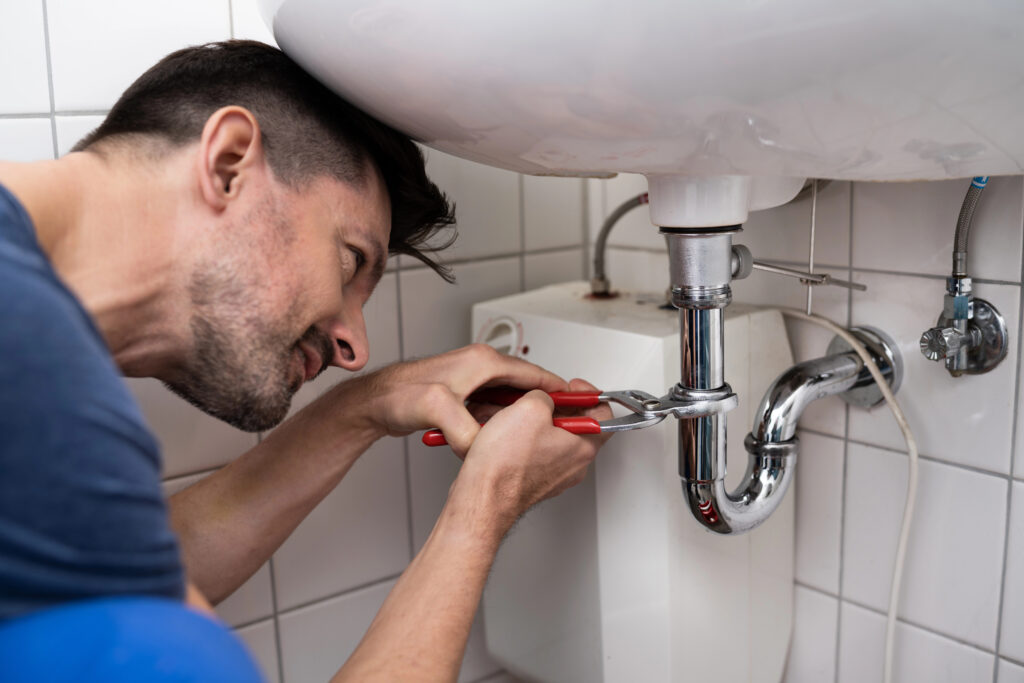
If the blockage is near the sink, the trap may be removed and cleaned manually. This is often the fastest answer for bathroom sinks and some kitchen clogs. A specialist will do this without damaging seals or fittings, and they can tell whether the material removed points to a deeper issue.
Mechanical Drain Snakes and Augers
For blockages deeper in the waste pipe, a drain snake or auger is a common choice. Unlike improvised tools, professional-grade machines are designed to break through compacted debris and retrieve material without puncturing or distorting the pipe.
This is especially useful for hair clogs, compact food waste, or dense soap build-up.
High-Pressure Water Jetting
When grease, sludge, or recurring residue is coating the inner wall of the pipe, water jetting can be extremely effective. It does more than punch a hole through the obstruction. It cleans the pipe more thoroughly, reducing the sticky lining that allows the next blockage to form.
Jetting is particularly valuable in commercial kitchens, shared buildings, and properties where the same sink keeps blocking despite repeated attempts to clear it.
CCTV Drain Surveys
If the cause is not obvious or the blockage returns quickly, a CCTV survey may be used. A small camera is inserted into the drainage system to inspect pipe conditions in real time. This can reveal scale build-up, cracked joints, root ingress, misaligned sections, or trapped debris.
For the customer, this removes uncertainty. Instead of treating symptoms over and over, the problem can be seen directly.
Why Safety Matters More Than Many People Realise
A lot of sink-clearing mistakes come from using the wrong chemical products or too much force. Caustic drain cleaners can damage older pipework, irritate skin and eyes, and create hazards for anyone later opening the system. If several products have been poured down in frustration, they may even react with each other.
Professionals are trained to manage these risks. They use protective equipment, handle contaminated waste correctly, and avoid methods that may worsen the problem. Just as importantly, they know when a blocked sink is not really a sink problem at all, but a sign of a larger drainage defect.
That is one reason “quickly” and “safely” go hand in hand. The fastest fix is not always the one that clears the water first. It is the one that solves the issue without causing pipe damage, leaks under the cabinet, or a return visit a few days later.
Preventing the Next Blockage
A good specialist will usually offer practical advice after the sink is cleared. In most homes, prevention comes down to habit more than hardware.
Small Changes That Make a Big Difference
In kitchens, avoid pouring fats or oils down the sink, even with hot water. Use sink strainers to catch food scraps. In bathrooms, remove visible hair regularly and flush basins with hot water occasionally to reduce soap residue.
If blockages happen often, it may be worth looking beyond daily habits. Repeated problems can point to undersized pipework, poor installation angles, or old internal surfaces that trap debris too easily.
When to Call a Specialist
If the sink is repeatedly blocking, draining very slowly, smelling strongly, or backing up into other fixtures, it is time to stop experimenting. Early intervention is usually cheaper, cleaner, and less disruptive than waiting for a complete blockage or leak.
Professional drain specialists are effective because they combine experience with the right equipment. They know how to identify the source, clear it with minimal mess, and protect the pipework while doing it. For property owners, that means less guesswork, less risk, and a much better chance that the fix will actually last.