

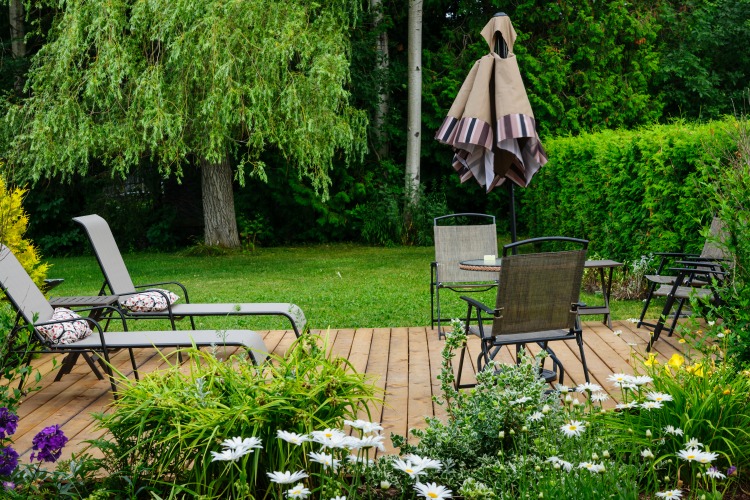

That can often lead to an outdoor space that’s left in disarray and not looking its best when it comes to getting the garden in a place that you can enjoy throughout the warmer months.
To get your garden ready for summer, there are several efforts How To Get The Garden Ready For Summer Fun can make for the purpose of cleaning, safety, and comfort. With that being said, let’s look at some of the ways to get your garden ready.
Key steps for a summer-ready garden
There are a number of helpful steps that will ensure your garden is summer-ready. With that in mind, here are some useful ideas to get you started.
Weeding and tidying
The first step is to clear away any debris, such as dead plants, old pots, and anything that might be broken already, like kids’ toys and furniture left out to deteriorate further.
By weeding thoroughly and pulling them out by the roots, you’ll hopefully avoid them growing back so quickly.
Lawn care
Taking care of your lawn is important, too, and regardless of how much lawn you have, you should be mowing it regularly, but not so much that you’re leaving it too short. Aerate to help encourage roots, and water deeply to keep it green and healthy looking in appearance.
It’s helpful to prune overgrown hedges, shrubs, and bushes where possible. Look at deadheading your flowers to encourage new blooms to grow.
Applying mulch to garden beds is useful in order to help them retain moisture, as well as suppress weeds from growing. It also helps to keep your soil cool during those warmer months where soil tends to dry out a lot quicker.
Prepare your garden for entertaining
Once your garden has been cleared of debris and maintained, from a maintenance point of view, it’s then a good idea to check that your outdoor space is suitable for entertaining guests and your own household, of course.
Furniture and patios
It’s a good idea to clean and set up your garden furniture, making sure to pressure wash any patios that might be in need of a clean.


This is also a good opportunity to assess your garden furniture to make sure everything you have is suitable for entertaining. As time goes by, you might find that some of the furniture hasn’t worn well in the space or has become too company or oversized for the people you entertain nowadays.
Switching up your outdoor furniture is good to do over time, so it’s certainly something worth doing more of where possible.
Create zones
It’s good to create zones within the home garden, especially as it can help to add some interest to various parts of the outdoor space.
Even in smaller garden spaces, zones can be incredibly effective for maximizing every inch of the outdoor space available.
Arrange your seating areas so that they maximize sun exposure or provide the much-needed shade you might require during certain times of the day. Consider what other zones you could create to make the outdoor space interesting, too. You could add decking for your lounging area or an outdoor kitchen and dining space if you have enough room to play with.
Safety checks
Safety checks are important to make when it comes to repairing any damaged paving, garden structures, or fencing.
This is particularly important when you have little ones running around the space.
Add ambience
Incorporating outdoor lighting from solar-powered lights to adding decorative plants is important when it comes to adding some much-needed ambience to your outdoor surroundings.
Lighting can certainly make all the difference when you’re trying to create a space to enjoy during the evening, too.
Decorative plants are good to incorporate into the space to add some color and interest, so opt for any types you prefer. Some suggestions include Sunflowers or Dahlias, for example.
Tips for summer safety in your garden
To keep yourself safe in your garden this summer, there are some helpful tips worth knowing so you can enjoy the space and keep your family safe, too.
Personal safety and health
First and foremost, make sure you’re wearing the right sun protection in the space, applying sunscreen ideally every two hours. Wear wide-brimmed hats and use sunglasses too.
Try to limit strenuous activity as much as you can, especially during the hottest part of the day, typically around 11 am-3 pm. Drinking plenty of water and taking regular breaks in the shade are recommended for everyone, too.
When you’re working in your garden, always be aware of the protective gear you’ve got available and what you may be lacking. Wearing gloves can help to prevent cuts, insect bites, and splinters. The use of safety goggles when mowing always helps to protect against any flying debris.
There can also be a fair bit of physical strain that comes with gardening, so it’s good practice to stretch before gardening. You should also look at breaking up any heavy tasks, like lifting or digging, in order to avoid back strain.
Garden maintenance safety
It’s always helpful to keep your garden maintained, where you can do so in a safe way. These include tool safety and making sure to keep children at a safe distance from lawnmowers and trimmers.
Any petrol-powered or electric tools should be locked away and out of reach. Use waterproof socks for any outdoor appliances and avoid trailing cables across wet grass where you can. Clearing away toys and hoses, as well as identifying any loose or slippery patio stones or decking, is worth doing.
Be sure to water your plants early in the morning or evening to prevent water evaporation and heat damage from occurring.
Child and pet safety
Secure the area, ensuring all gates are locked, and your fencing is secure to help keep children and pets safe at all times.
It’s good to avoid toxic hazards. Be aware of plants that are poisonous to pets, too. Talking of pets, make sure you’re checking regularly for animal feces before letting your children play outside. Don’t leave your pets or children outside for too long, especially if there’s a lack of shade, as overheating can be dangerous for all.
With these tips, you’ll have your garden ready for the summer fun in no time at all.