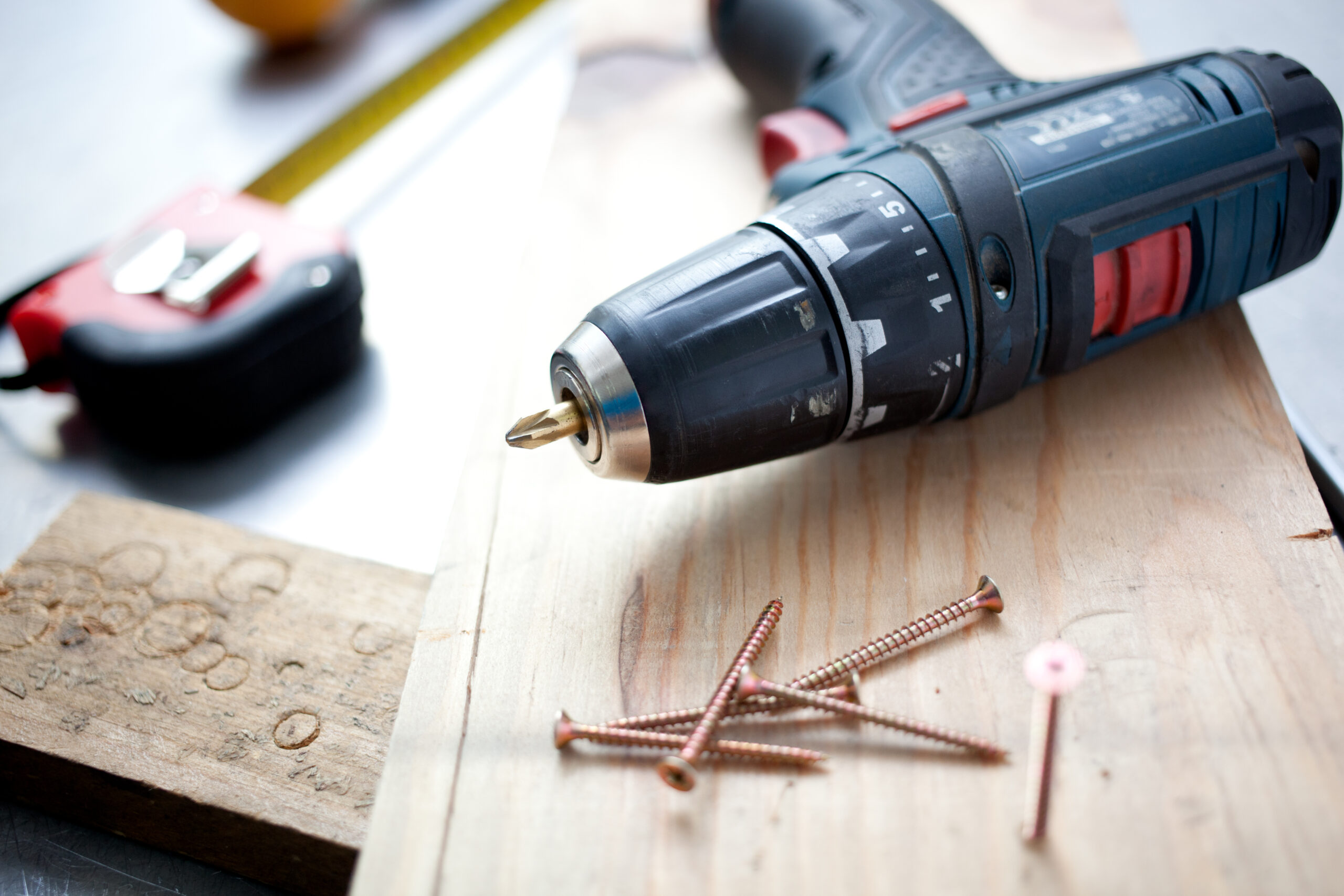
Unexpected home repairs can place significant pressure on households already managing rising everyday costs. Whether it is a broken boiler in winter, a leaking roof, or urgent electrical work, emergency repairs rarely happen at a convenient time. The challenge is often not just arranging the repair itself, but finding a way to cover the cost quickly without disrupting wider household finances.
- Why Emergency Home Repairs Feel So Overwhelming
Urgent household problems often require immediate attention. A faulty boiler can leave a family without heating or hot water, while plumbing or electrical issues can quickly escalate if ignored. Unlike planned spending, these costs cannot usually be delayed.
This pressure increases when emergencies happen alongside existing commitments such as rent, utility bills, childcare, and food costs, leaving little financial flexibility.
- The Reality of Living Without Financial Cushioning
According to the government’s Financial Inclusion Strategy published in November 2025, one in ten UK adults had no savings at all in 2024, while a further 20% had less than £1,000 set aside. This means even relatively small repair bills can create serious financial strain.
While financial guidance often focuses on building emergency funds, many households are prioritising day-to-day essentials during a period of higher living costs.
- Practical Ways to Ease Financial Pressure
Although emergency repairs cannot always be avoided, small steps can help reduce pressure over time. Reviewing regular spending, cancelling unused subscriptions, or setting aside small amounts where possible can gradually build a buffer.
It can also help to prepare in advance by identifying trusted local tradespeople and checking whether home insurance includes cover for emergency call-outs or accidental damage.
- Common Household Emergencies That Require Fast Action
Boiler breakdowns, leaks, blocked drains, roofing issues, and electrical faults are some of the most common urgent repairs. In many cases, delaying action can make the problem worse and more expensive.
For example, a small leak can lead to structural damage or mould if left untreated, turning a manageable repair into a much larger issue.
- Exploring Short-Term Financial Options Carefully
When urgent repairs cannot wait until payday, some households may consider short-term borrowing to help cover immediate costs. Options such as quick loans can provide fast access to funds for emergency expenses like boiler repairs, plumbing issues, or essential appliance replacements.
While borrowing should always be considered carefully, understanding available options in advance can help households make more informed decisions during stressful situations.
- Building Longer-Term Financial Resilience
Financial stability is rarely achieved overnight, particularly for households already under pressure. However, small, consistent changes such as tracking spending, planning for emergencies, and gradually building savings can make unexpected costs easier to manage over time.
The goal is not to remove every financial challenge, but to reduce the stress they cause when they arise.

Leave a Reply