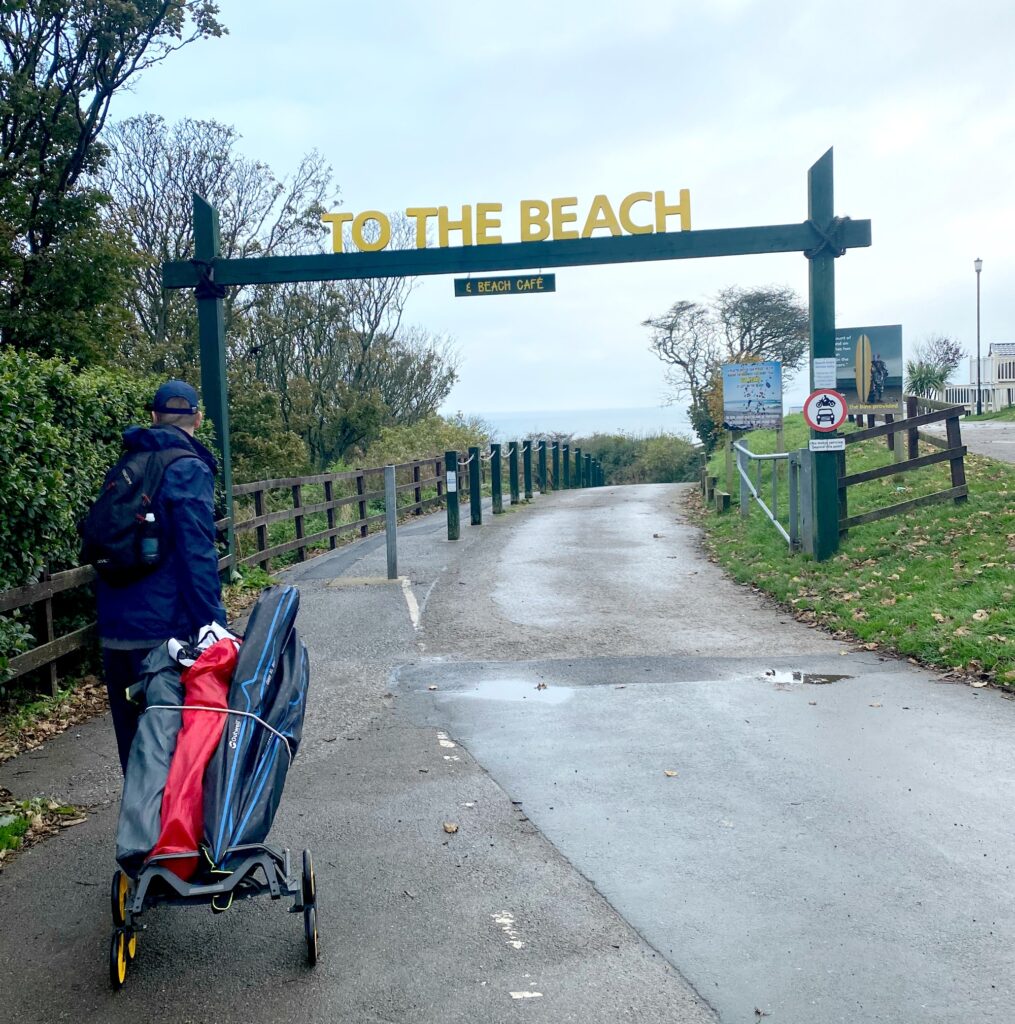
 You’ve driven for hours, hauled everything across the sand, set up camp and finally sat down. Then, about 45 minutes later, you hear it: “I’m bored.” The sea they were desperate to get to is suddenly yesterday’s news. If you’ve got kids, you know this one well.
It happens on nearly every beach trip. Kids tear through activities at speed, and the sea loses its magic once they’ve swallowed a mouthful of saltwater or been flattened by a wave. What you really need is a handful of backup plans that don’t involve screens or a trudge back to the car.
Kite Flying
Kites are one of the easiest wins on a windy beach day. A single-line kite will work for children as young as three (with a bit of help from you), and kids aged seven and up can usually handle a small stunt kite by themselves. Because the beach is wide open, you won’t spend the whole time worrying about trees and power lines, which already makes it less stressful than the park.
Throw a basic single-line kite in the boot before you go. They’re cheap and fold flat. Just make sure you check the wind rating on the packaging before buying one, because a kite designed for strong winds won’t even get off the ground on a calm day.
Beach Cricket
You don’t need a full pitch or proper stumps. A tennis ball, a cheap bat, and a rucksack standing in as a wicket will do the job. Beach cricket works best on firm, wet sand near the waterline, where the ball actually bounces instead of just thudding into the ground.
It’s a good one for mixed ages too. Little ones can bat while older kids bowl gently, and you can bend the rules as you go. If there’s only two of you, French cricket is a solid backup.
Sand Dam Engineering
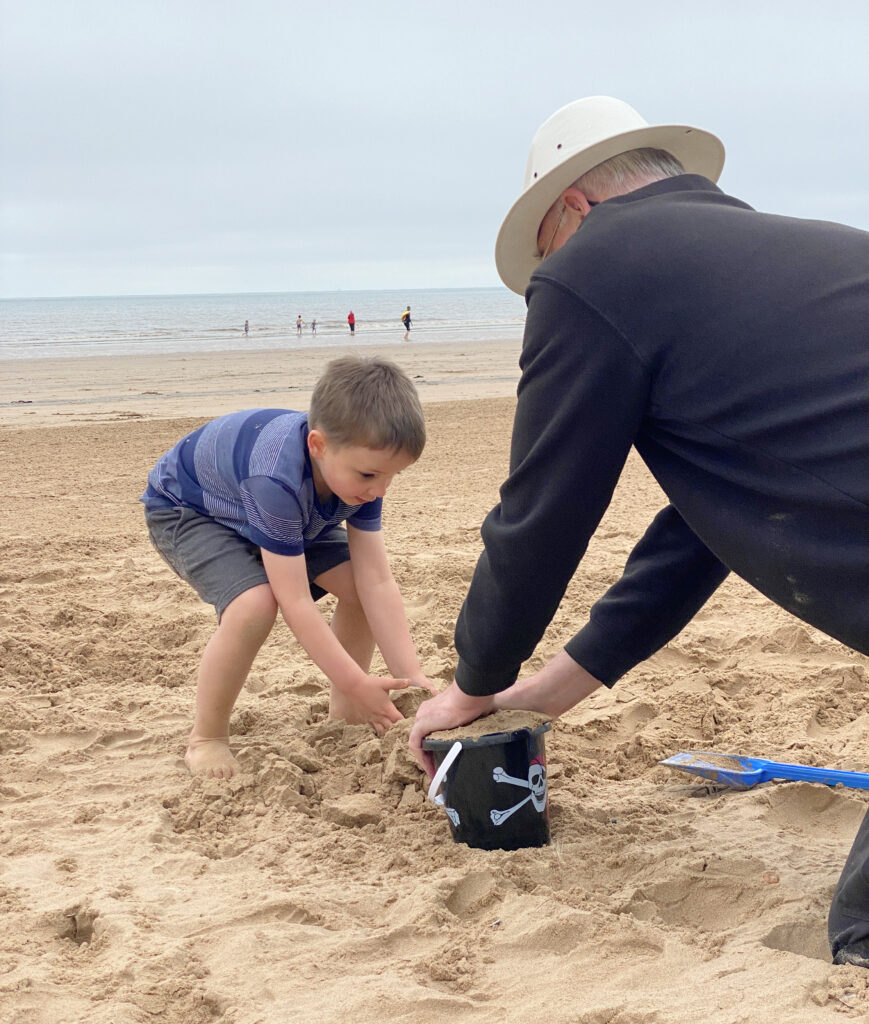 This is the one that will buy you the most time. Forget sandcastles. Get the kids to build a dam system near where the tide’s coming in and challenge them to hold back the water as long as they can. They’ll dig channels, reinforce walls, and problem-solve without even realising they’re doing it.
It works across a surprisingly wide age range too. Toddlers will happily dig alongside older siblings, and kids aged eight and up can get properly competitive about how they design their structures. You’ll probably end up getting stuck in yourself. Bring a couple of decent spades though. The flimsy ones from seaside shops tend to snap within minutes.
Nature Hunts with ID Charts
A simple scavenger hunt can turn a “boring” stretch of shoreline into something kids will actually want to explore. Before you head out, print off a coastal wildlife ID chart. The Wildlife Trusts and RSPB both have free ones online. Then give the kids a list of things to find: specific shells, types of seaweed, crab species, unusual pebbles, that sort of thing.
This works especially well on rockpool beaches. Kids aged four and up will get into it, and older children can keep a proper log of what they’ve spotted. Bring a magnifying glass and a bucket for temporary rockpool observation, and just make sure everything alive goes back where it came from.
Bodyboarding
If your kids have gone off swimming but still want to be in the water, bodyboarding is a brilliant middle ground. It gives them something to focus on, and even small waves will give them a decent ride. Most children aged five and up can handle a bodyboard in shallow water with supervision.
The type of wave matters, so it helps to pick your beach (and where you stay) carefully. Families who book coastal holiday homes through Beach Stays can choose between the big surf beaches of north Devon and Cornwall or calmer bays in Pembrokeshire and Dorset that suit younger kids on boards. All you’ll need is a foam bodyboard, a rash vest, reef shoes if the beach is rocky, and a towel they can actually find afterwards.
More Than Just the Sea
A beach day doesn’t have to revolve around swimming, and honestly, some of the best family memories come from the stuff you didn’t plan. Pack a few extras, pick a stretch of coast that offers more than just sand, and be ready to switch things up when the mood drops.
That’s really all there is to it. You don’t need to fill every minute. Sometimes just handing a child a spade and pointing at the incoming tide is enough to spark two hours of uninterrupted play.

Leave a Reply