 Technology is all around us. You only have to sit in a café, hop on a bus or spend a few minutes at a train station or airport to see the impact of smartphones and mobile devices. People often talk about the negative effects of screen time and being connected to tech all the time, but there are advantages to embracing modern technology. In this guide, we’ll discuss how to use technology to help you make healthier lifestyle choices.
Activity tracking
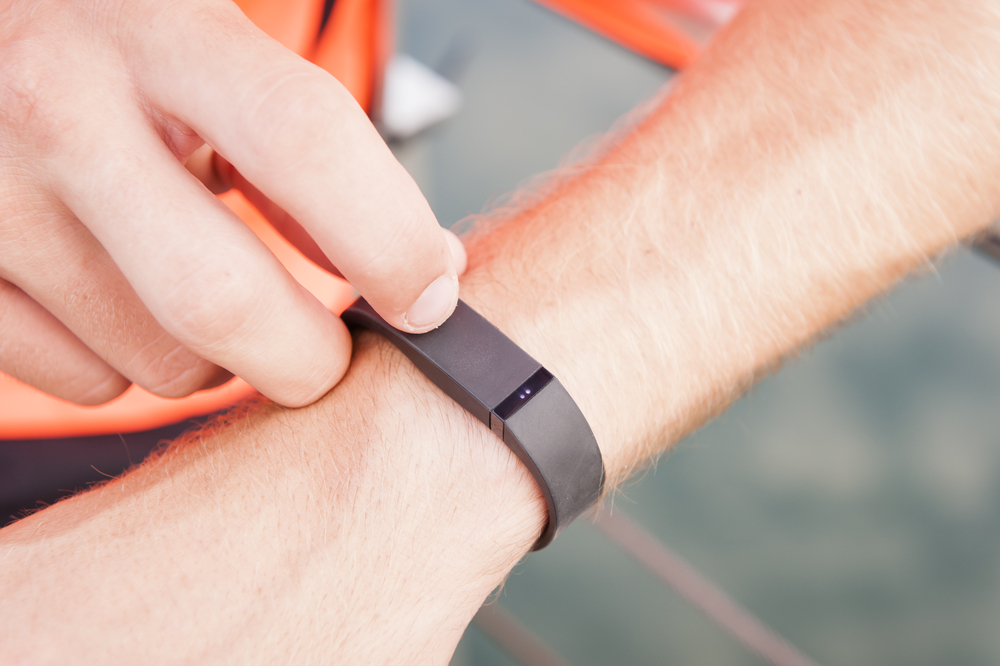
One of the most common ways to use technology to boost your health is to track your activity levels using wearable devices. The number of people who use activity trackers is increasing year on year. By 2029, it is estimated that over 524 million people will use wearable devices to monitor physical activity. There are two key benefits to using these devices. Firstly, they give you insights into daily behaviours and exercise levels. Secondly, they motivate you to set and hit targets.
Experts recommend doing at least 150 minutes of moderate exercise per week. If you don’t have a wearable, you may not know how active you are during an average day or week. Using a watch or an app will give you information, which you can use to make changes or set new goals. Data shows that wearables encourage people to move more. The most common target is a daily step count. If you have the golden 10,000 step mark in your head, for example, you’ll work harder to get to that number every day. Studies indicate wearable users enjoy an average increase of 1,800 steps and 40 minutes of walking per day.
It’s important to note that you can use tech to establish health and fitness goals at any level. Whether you’re starting a journey to a more active lifestyle or you’re training for a marathon, you can set personal objectives.
Having fun, de-stressing and relaxing
Stress levels are rising and mental health disorders are more commonplace. One of the key advantages of accessing technology is to have fun, de-stress and relax. From streaming box sets and playing online games like Hearts to solving puzzles or viewing funny clips on your phone, there are all kinds of ways to unwind and escape stresses and strains. Many of us have hectic schedules with little time to decompress. Simple things like playing an online game after an intense meeting or watching a video after a long day at work or a stressful commute can make a big difference to our mental well-being. It’s also crucial to make time for fun in your diary. If you work long hours and your free time is occupied by other commitments, you may feel exhausted and drained. Technology can help you have fun and switch off no matter where you are or how much time you’ve got.
As well as using tech to help you de-stress by accessing entertainment and having fun, you can also take advantage of targeted resources. Apps that help you sleep and podcasts that discuss mental health are excellent examples. A quick online search will give you access to recommendations and ideas but it’s also helpful to ask friends and colleagues for inspiration and get tips from articles, blogs and guides. If you use a streaming service, viewing the charts for specific topics and genres can also point you in the right direction.
Monitoring sleep habits
 Good-quality sleep is a cornerstone of healthy living, but studies show that over 50% of UK adults don’t get enough sleep. Stress, money worries and feeling overwhelmed can increase the risk of sleep troubles. Many people also have inconsistent routines either due to personal choice or shift work. Technology can help you improve sleep by giving you insights into your sleeping habits. Using wearables and apps, you can monitor your sleep quality and identify patterns and trends. Accessing personalised information can help you adjust routines and make changes to aid sleep. It can also flag potential warning signs of sleep disorders, such as insomnia.
Using apps and devices that are designed to improve sleep quality is another key benefit of embracing modern tech. From white noise machines and chilled playlists to sleep masks, guided meditations and sunrise alarm clocks, there’s an ever-growing range of options available.
Often, simple solutions work best for sleep troubles. One of the most impactful changes you can make is to introduce an evening routine. You can use your phone, watch or a special alarm clock to set bedtimes and morning alarms, encouraging you to stick to a routine that allows you to get enough rest and helps your body clock adapt. If you have sleep features activated, for example, your phone will go into hibernation mode, silence notifications and prompt you to relax and prepare to go to bed.
Improving nutrition
The word ‘diet’ has become synonymous with losing weight. It is beneficial to lose weight if you’re overweight but the most significant benefit of changing your diet should be to boost your health by improving nutrition. Being slim doesn’t necessarily mean being healthy. This is especially true in the case of fad diets. Somebody who loses a lot of weight by cutting out food groups or reducing calories drastically may have a much poorer diet than somebody who has a higher BMI. Technology can make healthy eating easy and accessible. One of the simplest ways to enhance your diet is to use a food diary app.
Food diary apps work by analysing what you eat. You can either choose from saved food and product templates or enter ingredients manually. Your app will give you nutritional information, including your daily calorie intake and the percentage RDA (recommended daily allowance) of protein, fibre, carbohydrates, fats and key vitamins and minerals. You can use the report to highlight strengths, pinpoint weaknesses and get accurate insights into your daily or weekly menu. You may be shocked at how much salt you consume, or you may need to add more iron or fibre to your diet, for example. If you have data in front of you, you can modify your diet to optimise nutrition. This will help you reduce the risk of lifestyle-based illnesses and it should also make you feel better.
If you’re trying to lose weight healthily, phones and wearables can also help you track calorie intake and burn. This may be useful if you’re reducing your calorie consumption or working towards a daily burn target. If you usually consume more than 2,500 calories per day and you’re a female with a sedentary lifestyle, for example, you may want to lower your intake to 2,000 and introduce daily exercise.
Staying in touch with loved ones and making new friends
The definition of health covers physical, mental and social well-being. Staying connected is incredibly beneficial for our mental health. Even if you enjoy your own company, being able to contact friends and family members and engage in social activities is instrumental in maintaining a healthy mind.
Technology has revolutionised the way we communicate. It’s easier than ever to talk to friends, see family members and keep in touch with old colleagues and neighbours. Embracing modern communication methods, such as text messaging, online messaging, social media interaction, video calls and phone conversations, can help to lift our moods and lower the risk of loneliness. Data shows that in 2022, almost half of UK adults experienced loneliness occasionally, sometimes, often or always. Loneliness can have a devastating impact on mental health and lead to feelings of isolation and symptoms of depression.
As well as making it easy, convenient and affordable to stay in touch with friends and family, technology can also help people make new friends. You can meet individuals with shared interests via online forums, groups and websites, play games with others, use search engines and social media to find community groups, clubs and teams and chat online via social platforms. To take advantage of the benefits of using technology while lowering risks, it’s important to stick to reputable websites and apps, set profiles to private and avoid sharing any sensitive or personal information with people you don’t know. Choose secure, well-known websites and apps and never give out data, such as your address and bank details.
Accessing health support and advice
Advances in technology have transformed the way we access healthcare advice, support and services. Now, it’s possible to read guides, get information and schedule calls and consultations with health professionals from the comfort of your own home. While you may need to go to a surgery or hospital for some procedures and appointments, being able to make calls or plan video calls can save time, effort and money. In many cases, for people who experience anxiety linked to attending appointments, speaking to a doctor on the phone or via instant messaging can be less daunting. Virtual services are also hugely beneficial for people who struggle to get out of the house or fit appointments around their work schedule.
There are multiple benefits to embracing technology when it comes to improving your health and well-being. Examples include tracking sleep and activity levels, enhancing nutrition, staying connected with other people and using tech to de-stress, have fun and relax. You can also use technology to access health information, advice and support.

Leave a Reply