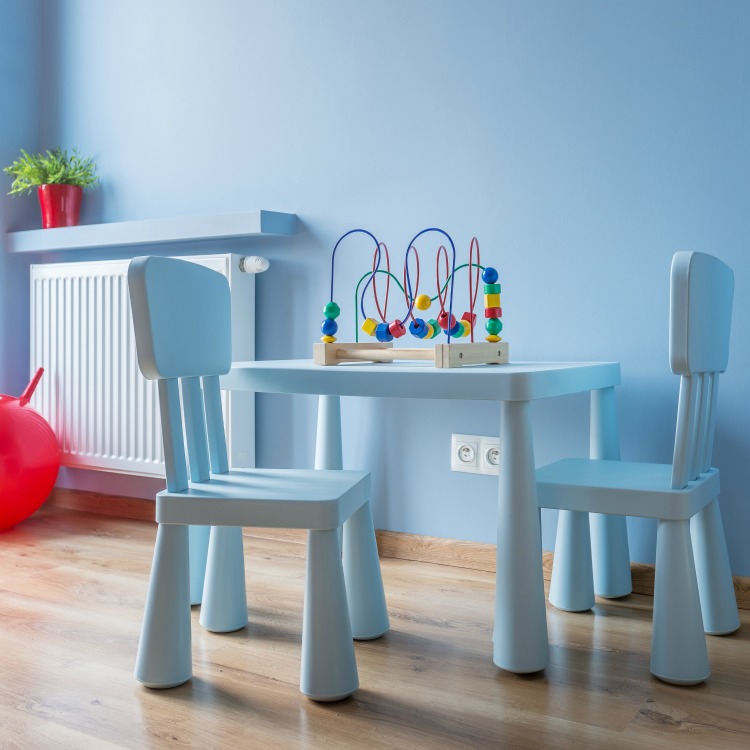
 Choosing the right materials for children’s furniture is crucial for parents and caregivers. Durability is a top priority, as kids can be tough on their belongings. The most durable materials for children’s furniture include solid wood, metal, and high-quality synthetic fabrics.
Solid wood, such as oak or maple, offers excellent durability and can withstand years of use. Metal frames provide strength and stability, making them ideal for bunk beds and study desks. For upholstered pieces, synthetic fabrics like polyester and nylon are resistant to stains and wear, making them practical choices for everyday use.
When selecting furniture for children’s rooms, it’s essential to balance durability with safety and aesthetics. Rounded edges, non-toxic finishes, and sturdy construction are key factors to consider. Parents can explore a collection of kids furniture that combines these important elements to create functional and appealing spaces for their little ones.
Key Takeaways
- Solid wood, metal, and synthetic fabrics are top choices for durable children’s furniture
- Safety features like rounded edges and non-toxic finishes are essential considerations
- Balancing durability with aesthetics creates functional and appealing kids’ spaces
Assessing the Durability and Safety of Materials
Selecting the right materials for children’s furniture requires careful consideration of both durability and safety factors. The choices made can significantly impact the longevity of the furniture and the well-being of its young users.
Understanding Material Choices for Durability
Solid wood stands out as a highly durable option for children’s furniture. Hardwoods like oak, maple, and birch offer exceptional strength and longevity. These materials resist wear and tear, maintaining their integrity even with frequent use.
Baltic birch plywood presents another robust choice. Its layered construction provides superior stability and resistance to warping. This material combines durability with a lightweight nature, making it ideal for children’s furniture.
Medium-density fiberboard (MDF) offers a cost-effective alternative. While not as durable as solid wood, it can withstand moderate use when properly sealed and finished. MDF works well for flat surfaces like tabletops or shelves.
Prioritizing Safety in Children’s Furniture Materials
Safety is paramount when selecting materials for children’s furniture. Non-toxic finishes and child-safe materials should be top priorities. Water-based paints and stains are preferable to solvent-based options, as they emit fewer harmful fumes.
Rounded edges are crucial safety features in children’s furniture. They reduce the risk of injuries from accidental bumps or falls. Manufacturers often incorporate soft corner protectors for added safety.
Avoid materials that splinter easily or have rough surfaces. Smooth, well-finished surfaces prevent scrapes and cuts. Regular inspections can help identify any developing safety hazards.
Composite Materials vs. Solid Wood: Pros and Cons
Composite materials like particleboard offer affordability but may lack the durability of solid wood. They can be susceptible to moisture damage and may not withstand heavy use as well as natural wood.
Solid wood furniture generally lasts longer and maintains its appearance better over time. It can be refinished multiple times, extending its lifespan. However, solid wood tends to be more expensive and heavier than composite alternatives.
Plywood strikes a balance between durability and cost. It resists warping better than solid wood and offers good strength. High-quality plywood, like Baltic birch, can approach the durability of solid wood in many applications.
Functionality and Aesthetics in Kids’ Furniture Design
Children’s furniture must balance practicality with visual appeal. Designers face the challenge of creating pieces that are both functional and attractive, while ensuring durability for active young users.
Innovative Multi-Functional Pieces for Growing Needs
Multi-functional furniture adapts to children’s changing needs. Convertible cribs transform into toddler beds, then full-size beds. Desks with adjustable heights accommodate growing children. Loft beds maximize floor space, incorporating study areas or play zones underneath.
Built-in storage solutions keep rooms tidy. Bookshelves double as room dividers. Ottomans open to reveal toy chests. These versatile pieces offer long-term value as children develop.
Modular furniture systems allow for customization. Stackable cubes serve as shelves, seating, or tables. This flexibility lets families reconfigure spaces as needed.
The Role of Aesthetics in Children’s Furniture
Aesthetics play a crucial role in creating inviting spaces for kids. Bright colors stimulate creativity and learning. Pastel hues create calming environments. Themed furniture sparks imagination – race car beds or princess-castle playhouses.
Furniture shapes can be playful yet functional. Round tables prevent injuries from sharp corners. Animal-shaped chairs add whimsy to reading nooks.
Kid-friendly designs incorporate familiar motifs. Dresser knobs shaped like cartoon characters make getting dressed fun. Nature-inspired elements bring the outdoors in – leaf-shaped shelves or tree-trunk-style storage units.
Choosing Durable and Easy-to-Clean Fabrics and Finishes
Durability is paramount for children’s furniture. Upholstery fabrics must withstand spills, stains, and frequent cleaning. Microfiber resists water and repels dirt. Polyurethane-coated fabrics offer waterproof protection.
Leather proves long-lasting and easy to wipe clean. Denim and wool blend durability with style. For allergy-prone children, hypoallergenic fabrics reduce irritants.
Non-toxic finishes ensure safety. Water-based lacquers provide durability without harmful fumes. For mattresses, waterproof protectors guard against accidents.
Sturdy construction withstands rough play. Solid wood frames offer stability. Metal components increase longevity in high-stress areas like chair legs or bed rails.
Conclusion
Choosing durable materials for children’s furniture is essential for longevity and safety. Hardwoods, engineered woods, and metal offer excellent strength and stability. Fabrics like denim and leather provide resilience against spills and wear. Natural materials and non-toxic finishes ensure a healthy environment for children.

Leave a Reply